
Corporate Governance and the King Code: When Responsibility Becomes Personal
Corporate governance is no longer a boardroom formality. The King Code shapes accountability, behaviour, and personal exposure. This session explains what governance really demands and where professionals get caught.
What will set you apart
By completing this course you will gain the following competencies
- What corporate governance really means in practice
- Why the King Code matters beyond compliance
- How accountability flows through an organisation
- Where directors and professionals become exposed
- Why governance failures repeat
- How poor governance leads to ethical and financial risk
- What strong governance looks like in real decisions
Event breakdown
- Purpose of corporate governance
- The role of the King Code
- Accountability and oversight
- Governance versus compliance
- Ethical pressure and decision making
- Common governance failures
- Consequences of weak governance
- Strengthening governance discipline
Description
Presenters
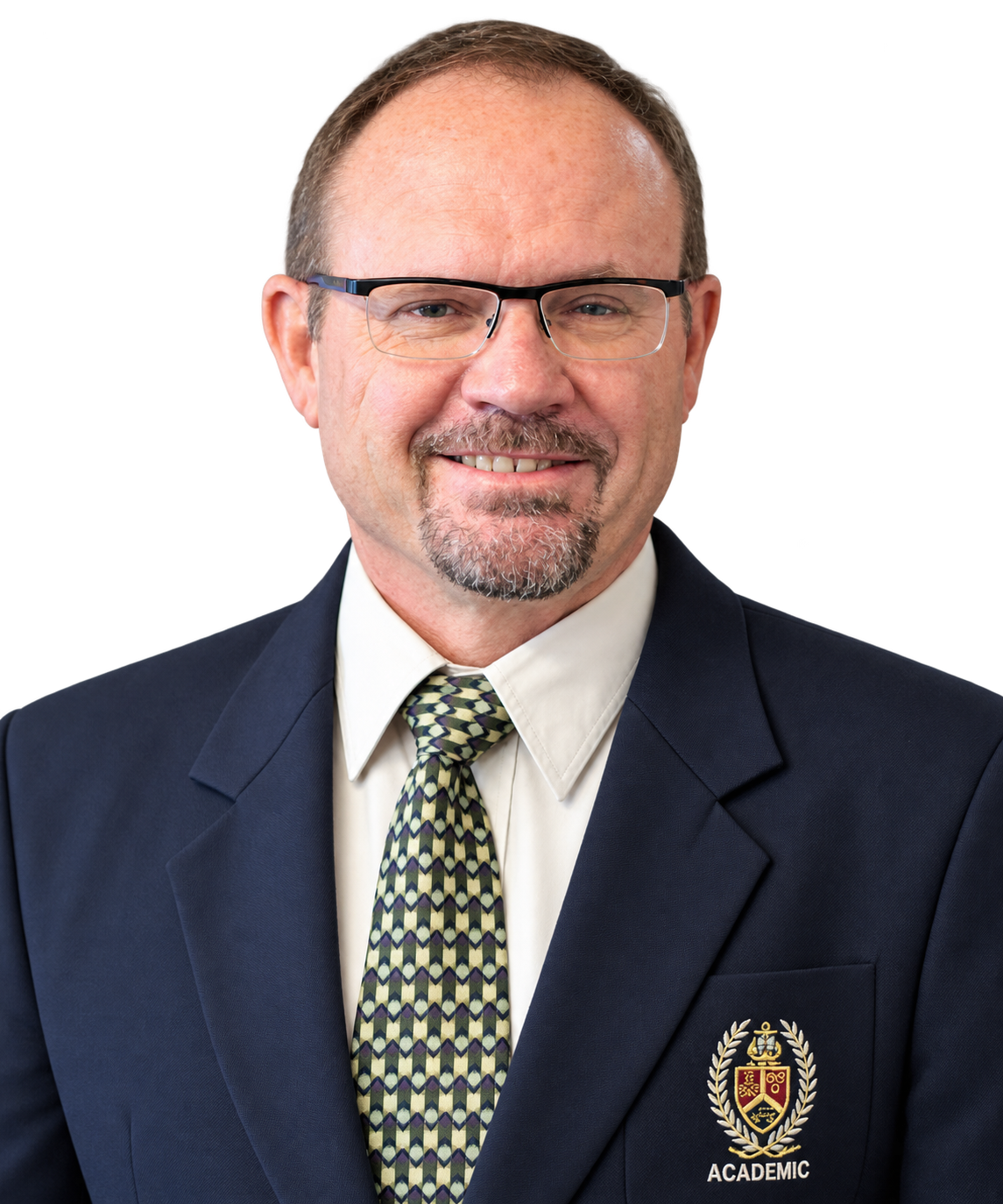
Prof. Houdini Fourie — Prof Fourie joined the Nelson Mandela University in July 2008 after serving more than 17 years at Tshwane University of Technology. During his tenure at the Nelson Mandela University, he held the position of Head of Department of Applied Accounting (2 years) and Director of the School of Accounting (6 years). Houdini holds a Doctor of Commerce (D Com) degree in Internal Auditing which he obtained from the University of Pretoria in September 2014. In addition, he is a Professional Accountant (South Africa). Houdini has an extensive academic research profile. He published on topics that relate to corporate governance, internal auditing, public sector internal auditing, accounting education and work-readiness skills of entering internal auditors. More than 30 scholarly articles are published in academic journals, and several papers were read at both International and National conferences. Houdini served on the Accreditation Committee of the Independent Regulatory Board for Auditors (IRBA); and on the Examination Board of the South African Institute of government Auditors; and served on the Board of Directors of the Institute of Internal Auditors (South Africa) (IIA-SA) from 2000 to 2004 and held the position as Regional Governor for the Port Elizabeth Region of the IIA-SA since 2009 up to 2013.
You will earn a certificate
On successful completion you will receive a certificate for 3 CPD units in Ethics.
Requirements
- Laptop, desktop, or mobile device with internet access
- Microsoft Edge, Google Chrome, Safari, or Firefox browser