
Provisions, Staff Costs, and Liabilities Everyone Hopes Will Go Away, IFRS for SMEs Section 21 and Section 28
Provisions and employee benefits rely heavily on judgement. Getting them wrong hides liabilities and damages trust.
What will set you apart
By completing this course you will gain the following competencies
- When a provision must be recognised
- Difference between provisions and contingencies
- How uncertainty affects measurement
- How employee benefit obligations arise
- Where liabilities are commonly understated
- Why timing matters
Event breakdown
- Recognising provisions
- Contingent liabilities explained
- Measuring uncertainty
- Timing of recognition
- Short and long term employee benefits
- Accruals and obligations
- Common errors
- Disclosure requirements
Description
Presenters
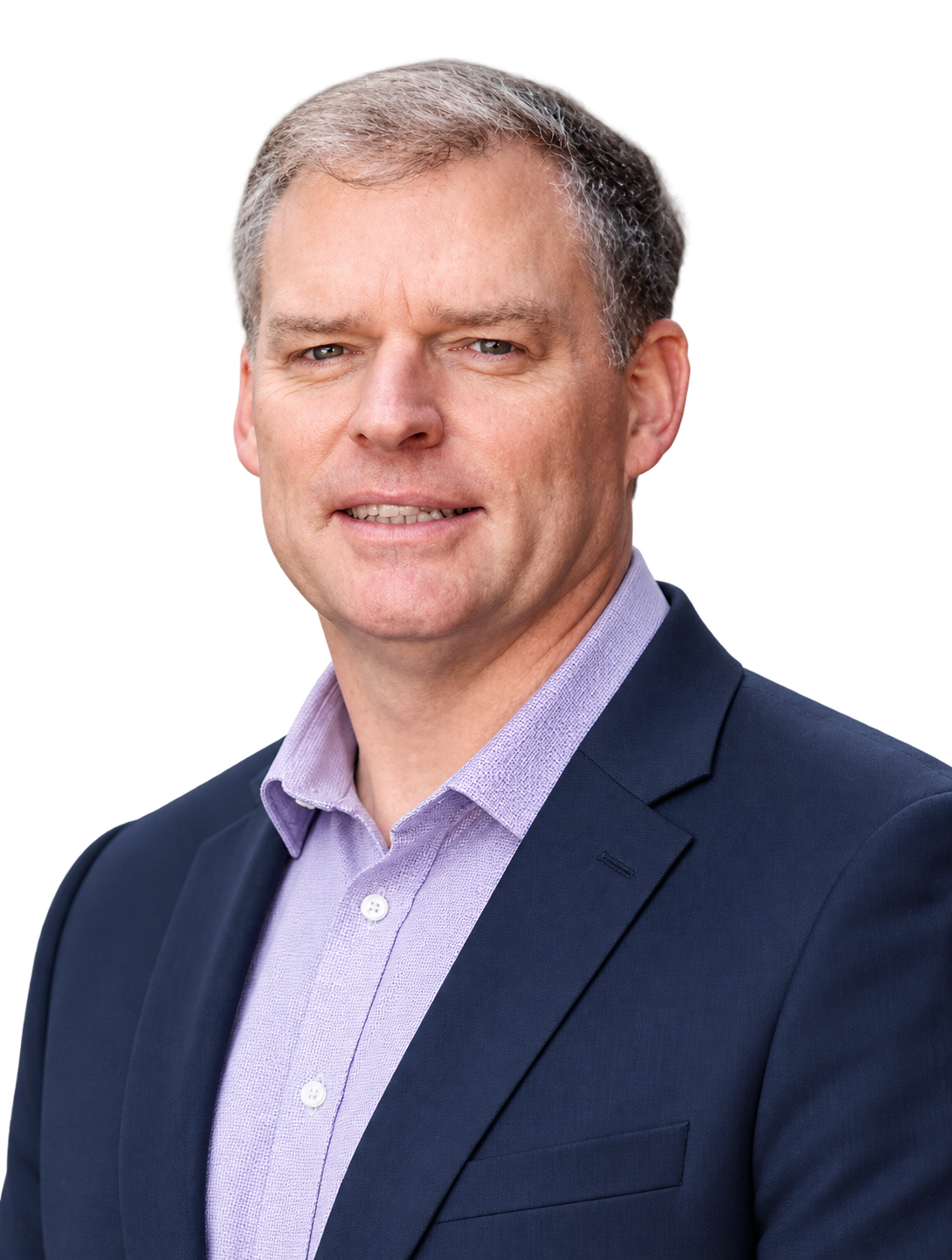
Prof. Jacobus (Cobus) Rossouw CA(SA) — Prof Jacobus Rossouw CA(SA) (Cobus) was born in Bloemfontein and still has his roots planted in the beautiful Free State. He became a Chartered Accountant (SA) in 1999. In 2000, he joined the University of the Free State as a senior lecturer. He was promoted to associate professor in 2006 after obtaining his Master's degree in Financial Accounting (cum laude). Cobus specialises in the IFRS Accounting Standards (IFRSs) and the IFRS for SMEs. He is currently (since 2004) lecturing Advanced Financial Accounting to post-graduate chartered accountancy students (PGCA). Cobus's passion is lecturing in Financial Accounting and preparing his students for the world of work. He regularly acts as an external moderator for chartered accountancy programmes at the post-graduate level of other universities. In the last three years, as part of the PGCA lecturing team, he received four Learning and Teaching Awards for innovative practices. From 2005 to 2017, he was the Subject Head for Financial Accounting. Since 2016, Cobus has been the PGCA Academic Coordinator for the post-graduate year group and is responsible for the coordination of the PGCA programmes. Cobus also serves as a member of the Management Committee of the School of Accountancy of the University of the Free State. Cobus also served on numerous committees of the Faculty of Economics and Management Sciences. He is the author or co-author of thirteen accredited research articles and various non-accredited articles in academic and accounting literature. He has presented (as author/co-author) more than twenty research papers at international, national and university conferences on aspects of Financial Accounting and Learning and Teaching. Furthermore, he is the author of numerous chapters in various leading financial accounting textbooks focusing on IFRSs. He has also presented more than a hundred professional update courses/seminars/webinars to practising accountants on behalf of various professional bodies.
You will earn a certificate
On successful completion you will receive a certificate for 3 CPD units in Accounting.
Requirements
- Laptop, desktop, or mobile device with internet access
- Microsoft Edge, Google Chrome, Safari, or Firefox browser