
Municipal Financial Management & Audit Compliance
Clean audits without guesswork: the public-finance skills local government actually needs. The purpose of this course is to build reliable municipal financial management and audit compliance skills that hold up in a real municipality. It exists to end repeat audit findings, reduce irregular and wasteful expenditure, and produce officials who understand how their daily work shapes both the audit outcome and the delivery of services.
What will set you apart
By completing this course you will gain the following competencies
- Trace the municipal accountability chain and explain the AGSA’s mandate and the three types of audit it conducts.
- Apply the core MFMA duties (Sections 60, 62, 65 and 79) to the roles of the accounting officer and the CFO.
- Distinguish unauthorised, irregular, and fruitless and wasteful expenditure, and apply the correct disclosure, investigation and recovery steps for each.
- Read a set of GRAP-compliant annual financial statements, explain the four audit opinions, and identify what drives a qualification.
- Run compliant supply chain, revenue, asset (GRAP 17) and debt (GRAP 104) processes.
- Build a root-cause-based audit action plan that moves a municipality toward a clean audit.
Event breakdown
- Twenty modules follow the full municipal financial management and audit cycle, from constitutional accountability to a practical clean-audit roadmap.
- PART A · FOUNDATIONS AND THE LEGAL FRAMEWORK
- #
- Module
- Time
- 1
- Introduction to public sector accountability
- 1 hour
- 2
- Understanding the PFMA: overview and scope
- 1 hour
- 3
- MFMA fundamentals for municipalities
- 1 hour
- 4
- Roles and responsibilities of accounting officers
- 1 hour
- PART B · FINANCIAL STATEMENTS, OPINIONS AND PROBLEM EXPENDITURE
- #
- Module
- Time
- 5
- Annual financial statements and GRAP compliance
- 1 hour
- 6
- Qualified audit opinions: causes and prevention
- 1 hour
- 7
- Fruitless and wasteful expenditure: definition and law
- 1 hour
- 8
- Irregular expenditure: definition, disclosure and action
- 1 hour
- PART C · PROCUREMENT, REVENUE, ASSETS AND DEBT
- #
- Module
- Time
- 9
- Supply chain management and procurement compliance
- 1 hour
- 10
- Revenue management and billing systems
- 1 hour
- 11
- Asset management and GRAP 17
- 1 hour
- 12
- Debt management and GRAP 104: financial instruments
- 1 hour
- PART D · STANDARDS, BUDGETING, CONTROLS AND PERFORMANCE
- #
- Module
- Time
- 13
- IFRS versus GRAP: key differences for municipalities
- 1 hour
- 14
- Budgeting, virement and unauthorised expenditure
- 1 hour
- 15
- Internal controls and the AGSA control framework
- 1 hour
- 16
- Performance reporting and SMART targets
- 1 hour
- PART E · OVERSIGHT, ACCOUNTABILITY AND THE CLEAN-AUDIT JOURNEY
- #
- Module
- Time
- 17
- Audit committees and the internal audit function
- 1 hour
- 18
- Consequence management and anti-corruption
- 1 hour
- 19
- Reporting to oversight bodies: councils and legislatures
- 1 hour
- 20
- Building a clean audit action plan
- 1 hour
Description
- Municipal CFOs, finance staff, accountants and interns working under the MFMA.
- Supply chain, asset and revenue officials whose daily work shapes the audit outcome.
- Internal auditors, audit committee members and MPAC councillors exercising oversight.
- CBAP and other CIBA members and finance profAfter completing this course you will be able to:✔ Trace the municipal accountability chain and explain the AGSA’s mandate and the three types of audit it conducts.✔ Apply the core MFMA duties (Sections 60, 62, 65 and 79) to the roles of the accounting officer and the CFO.✔ Distinguish unauthorised, irregular, and fruitless and wasteful expenditure, and apply the correct disclosure, investigation and recovery steps for each. ✔ Read a set of GRAP-compliant annual financial statements, explain the four audit opinions, and identify what drives a qualification. ✔ Run compliant supply chain, revenue, asset (GRAP 17) and debt (GRAP 104) processes. ✔ Build a root-cause-based audit action plan that moves a municipality toward a clean audit. essionals supporting local government.
Presenters
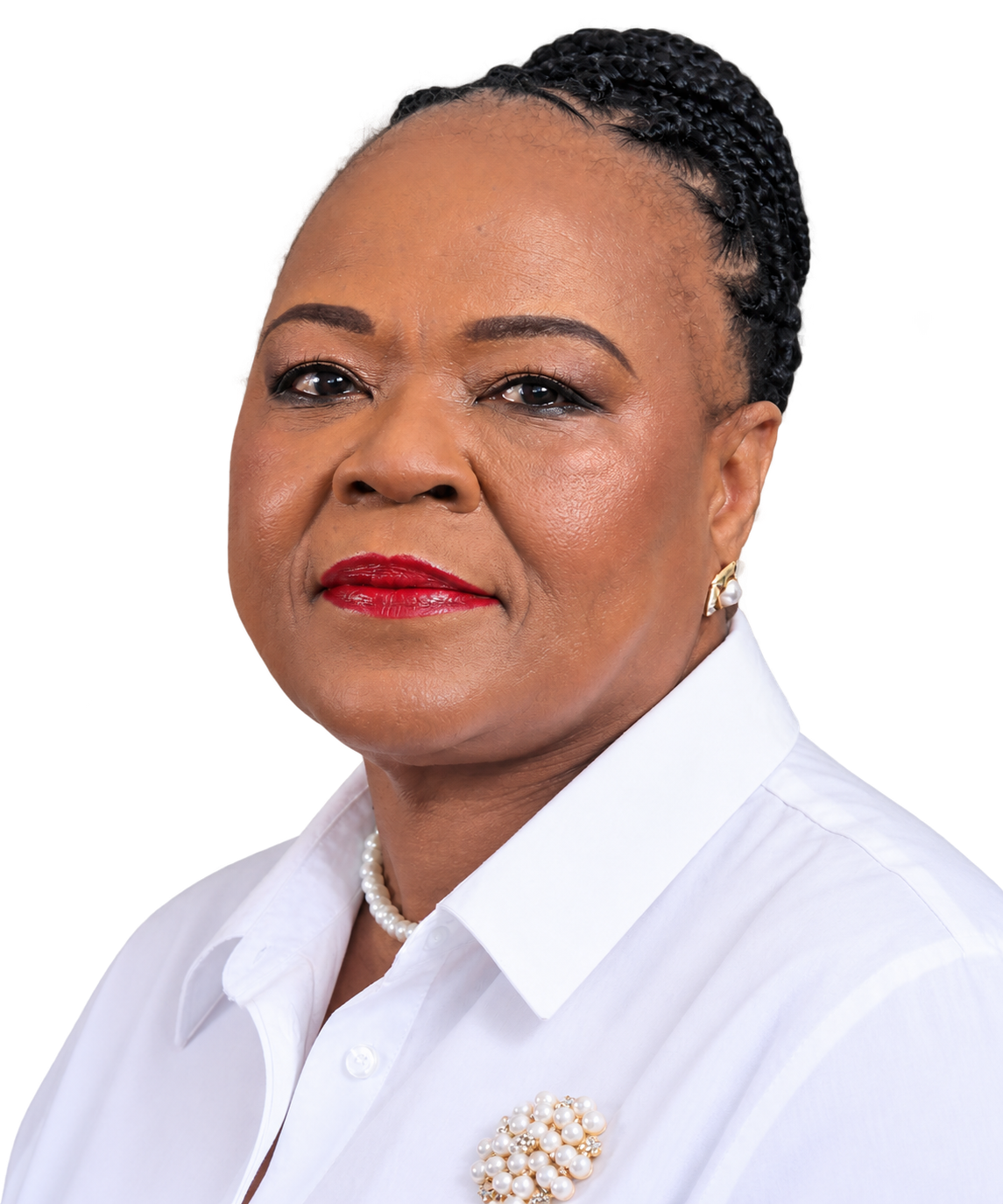
Faith Ngwenya — Faith Ngwenya is an accomplished leader in the accounting profession with extensive experience in professional education, skills development and stakeholder engagement. As Head of Education at CIBA, she plays a key role in advancing professional development, strengthening relationships with education and industry stakeholders, and supporting initiatives that prepare accounting professionals for the evolving demands of the profession.
You will earn a certificate
On successful completion you will receive a certificate for 10 CPD units in Financial Reporting.
Requirements
- Laptop, desktop, or mobile device with internet access
- Microsoft Edge, Google Chrome, Safari, or Firefox browser