Strong accounting records alone do not create accountability in the public sector. When the processes behind the numbers fail, unreliable reporting, control weaknesses and audit findings often follow.
Under the Public Finance Management Act (PFMA), accountability depends on a chain of processes working as intended: budgets must be properly managed, expenditure appropriately authorised, transactions supported, performance monitored and financial information reported accurately and on time.
A weakness at one point can affect everything that follows.
For accountants working in or advising public sector institutions, understanding this chain is critical. The professional value lies not only in identifying an incorrect number at reporting stage, but in recognising the process or control failure that produced it.
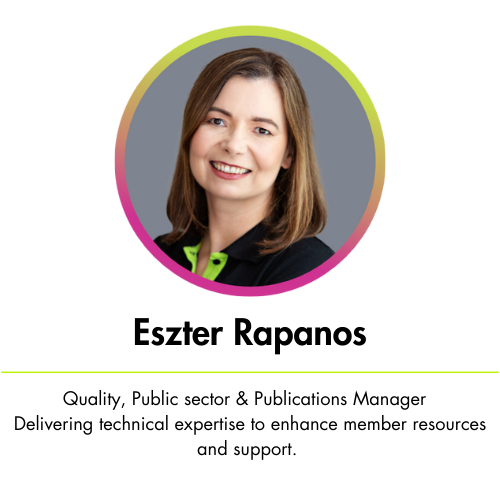
This practical one-hour session, presented by Eszter Rapanos, CIBA Technical Manager, examines where PFMA processes commonly break down, how those weaknesses affect reporting and accountability, and why unresolved deficiencies can develop into recurring audit findings and professional exposure.
The focus is practical: identify the breakdown before it becomes another finding.
How to get this session: CIBA members access it through their channel, log in and find it under My CPD. Not a member yet? Buy this single session, or join CIBA to unlock your full channel
PFMA compliance is not achieved at year-end. It is built through the financial management processes and controls operating throughout the year.
Weak approvals, ineffective expenditure controls, poor monitoring and unreliable reporting can create a cycle in which the same problems continue from one reporting period to the next.
This session follows that process from budgeting and approvals through expenditure, in-year monitoring, reporting and oversight. It considers how failures at different stages affect the reliability of financial information and the ability of officials and accounting professionals to demonstrate accountability.
For CIBA members working in public finance, financial management, reporting or advisory roles, the session strengthens the connection between the accounting result and the process that produced it.
Rather than viewing an audit finding as an isolated year-end problem, practitioners will be encouraged to trace findings back to their underlying process, reporting and accountability weaknesses.
This helps accountants move beyond correcting symptoms and contribute to stronger financial management, better reporting and more sustainable corrective action.

After attending this session, you should be better equipped to:
The relationship between budgeting, approvals, expenditure, monitoring, reporting and accountability.
Weak approvals, expenditure controls and other process failures that undermine financial management.
How poor monitoring affects the reliability of information and allows problems to continue.
Reporting responsibilities, accountability and what happens when weaknesses are not addressed.
Understanding how control and reporting deficiencies develop into audit findings and repeat findings.
Identifying root causes, improving processes and supporting more sustainable corrective action.
Professional Value
A recurring audit finding is rarely solved simply by correcting the number that appears in the financial statements.
If the underlying process remains weak, the problem is likely to return.
For CIBA members, the professional opportunity is to understand the financial management system behind the reported information. An accountant who can connect a reporting problem to weaknesses in approvals, expenditure controls, monitoring or accountability can contribute far more effectively to resolving the root cause.
This capability is particularly valuable in a high-scrutiny public sector environment where unreliable reporting, ineffective controls and repeat findings can affect institutional accountability as well as the professional credibility of those responsible for financial management and reporting.
It also strengthens the accountant’s ability to contribute to process reviews, control improvements, financial reporting, corrective-action plans and other legitimate advisory work within their professional competence and mandate.
The objective is not simply to explain the PFMA. It is to help practitioners understand where the financial management process failed, why it failed and what needs to change to prevent the same problem from recurring.
Better reporting starts with better processes.

The following event is awarded 2 CPD units in Accounting.
+27 (0) 12 643 1800/2/4 ciba@myciba.org www.myciba.org
Gauteng: Spaces, Byls Bridge Office Park, Building 14 Block B, Cnr of Olievenhoutbosch Road and Jean Avenue, Centurion, 0157
Cape Town: Cape Town Spaces Office, Century City, No1 Bridgeway Road, Bridgeways Precinct, Cape Town, 7441
Namibia: Regus Office Windhoek, Maerua Mall 3rd Floor, Windhoek, Namibia, 10005
Paris: I13 Rue Paul Valéry, 75116 Paris, France (ICFOA)