Your email will be used for sending Abandoned Cart emails

Staying SARS-Safe: Tax Compliance Every Bookkeeper Should Master – 12 December 2025

Bookkeepers are the first line of defence against SARS trouble. This session gives you the tools, checklists, and confidence to keep your clients compliant — from VAT and PAYE to provisional tax and submissions that actually balance.

Date:

12 December, 2025

Time:

11:00

Hours:

2 hours

CPD Units:

3

Category:

Taxation

Group:

Channel 2: Growth

Format:

Live Event

R345,00 VAT incl.

Product Information

Tax compliance is where many small businesses stumble — and where a skilled bookkeeper adds enormous value. This practical, two-hour session unpacks the full range of SARS compliance duties handled at bookkeeping level. From VAT and PAYE reconciliations to EMP201s, IRP5s, and provisional tax, you’ll learn how to spot red flags early, keep supporting documents in order, and communicate clearly with both clients and accountants. The session includes real examples of what SARS looks for in audits, how to avoid common mistakes, and how to turn compliance accuracy into a selling point for your services. When your books are clean, your clients — and their accountants — sleep better

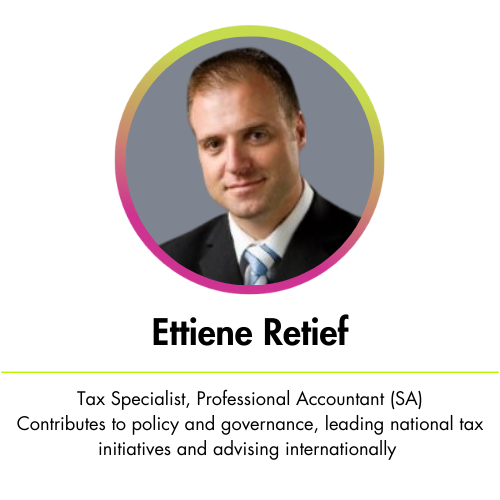
Presenter/s

What will set you apart

What Will Set You Apart (What Delegates Will Learn)

  • Understand a bookkeeper’s role in ensuring full tax compliance
  • Identify the key SARS deadlines and submission requirements
  • Reconcile VAT, PAYE, and income tax records accurately
  • Pick up common errors that lead to audits and penalties
  • Maintain tax records and evidence to withstand SARS review
  • Build systems that keep both you and your clients audit-ready year-round

Event breakdown

Part 1 – The Bookkeeper’s Compliance Role

  1. Understanding SARS’s expectations of bookkeepers
  2. Overview of key tax types handled at bookkeeping level (VAT, PAYE, provisional tax, etc.)
  3. Why clean records prevent costly penalties and audits

Part 2 – VAT and PAYE Reconciliations

  1. Reconciling VAT control accounts to VAT201 returns
  2. PAYE submissions and EMP201 accuracy checks
  3. Handling UIF, SDL, and IRP5s with correct cross-checking

Part 3 – Income and Provisional Tax

  1. Linking bookkeeping records to annual tax submissions
  2. Managing provisional tax estimates and supporting schedules
  3. Documenting year-end adjustments for smooth handover to accountants

Part 4 – Risk and Audit Readiness

  1. SARS triggers and high-risk areas for small businesses
  2. Maintaining a compliance file for each client
  3. Communicating effectively with accountants and SARS

Part 5 – Tools and Practice

  1. Using compliance checklists and templates
  2. Real examples: correcting errors and preparing reconciliations
  3. Wrap-up Q&A: your top compliance challenges answered

Certificate

The following event is awarded 3 CPD units in Taxation.

You might also like